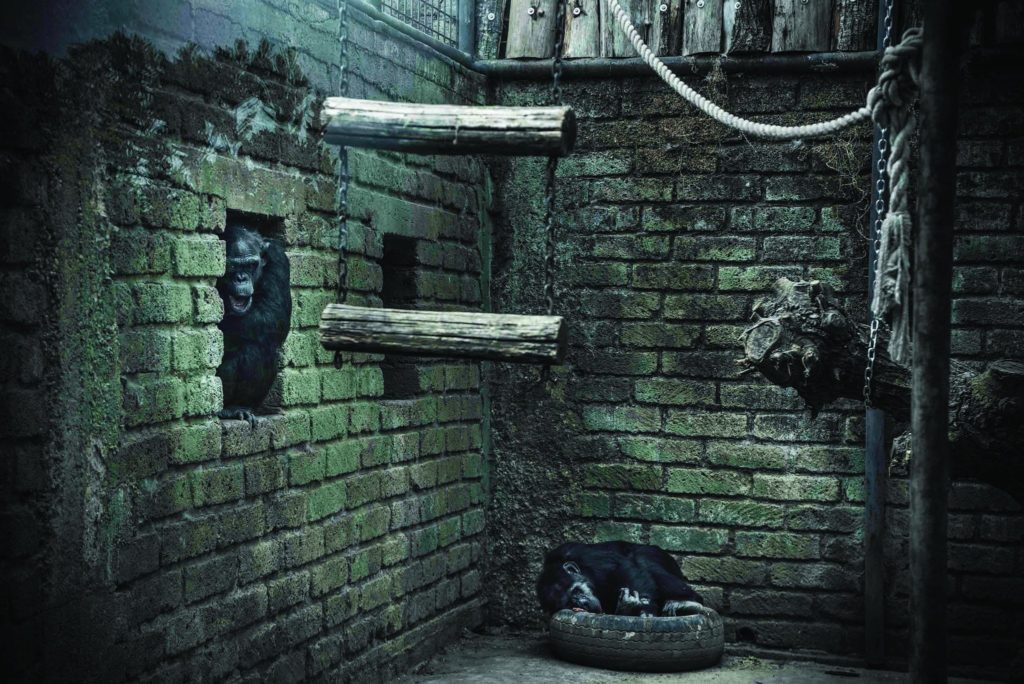
In May 2024, Costa Rica became the first nation in the world to permanently close and eliminate all state-run public zoos. The measure represents the final act of a legislative and cultural path that began, more than a decade earlier, with the reform of the wildlife conservation law.
The regulatory framework: Law No. 9106/2012
In December 2012, Costa Rica approved a historic turning point by reforming the Ley de Vida Silvestre (Law No. 9106/2012, which amended the previous Law No. 7317 of 1992). It was the first law of its kind in Latin America to originate from a popular initiative, supported by tens of thousands of citizens’ signatures.
The reform established strict rules for the protection of biodiversity:
An end to sport and recreational hunting: any form of hunting or fishing of wild animals for entertainment or trophy purposes was banned (Art. 14, paragraph a).
A ban on keeping wild animals as pets and on trading them: capturing, selling and keeping native wild animals as pets was prohibited (Art. 14, paragraph d).
Strengthening of SINAC: reinforcement of the Sistema Nacional de Áreas de Conservación for territorial control and the tightening of criminal penalties against poaching.
A ban on display cages: it became forbidden to keep wildlife in cages for purely exhibition or commercial purposes in state facilities.
Eleven years of legal battles and Operation “Atardecer”
Although the 2012 law had provided for the closure of state zoos as early as 2014, implementation was blocked for a decade due to continuous legal appeals. The two public parks involved — the Simón Bolívar Zoo (in the center of San José, operating since 1921) and the Santa Ana Conservation Center — were managed under concession by the private foundation FundaZoo. In 2013, following a contractual loophole, the concession was automatically extended for another 10 years, freezing the enforcement of the law.
On May 10, 2024, when the thirty-year contract expired, the Ministry of Environment and Energy (MINAE) officially refused any renewal. The government launched “Operation Atardecer” (Operation Sunset): an extraordinary coordination effort involving more than 100 experts, including veterinarians, biologists, SINAC agents and law enforcement officers, to take custody of the facilities and the animals. «We have become a country without state zoos, with a vision oriented exclusively towards sanctuaries and rescue centers», declared the Minister of the Environment, Franz Tatenbach.
As for the number of animals freed from the zoos, to date there are more than 300. In 2024, for example, various species were transferred to sanctuaries or shelters, including crocodiles, sloths, jaguars and spider monkeys.
As for the decommissioned zoos, such as the Simón Bolívar Zoo (about 2.5 hectares in the center of the capital), the government has confirmed that there will be no real estate speculation, but that a project is underway to transform the former Simón Bolívar Zoo into a botanical garden and free-access urban park, integrated into the city’s network of biological corridors to support local flora and urban fauna (birds, pollinating insects and small reptiles).
In conclusion, it is worth reiterating that the closure applied exclusively to state-owned facilities.
Nevertheless, the closure of the public parks marked a profound cultural turning point: public opinion and MINAE now exercise much stricter controls over all private facilities, encouraging them to progressively transform into genuine rescue centers.