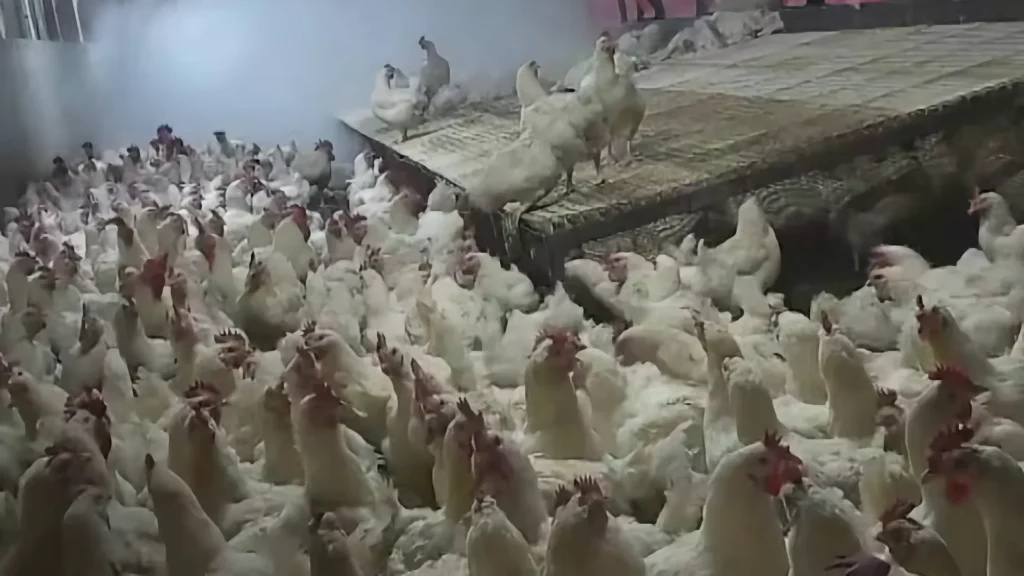
The investigation “High Fever” by Giulia Innocenzi, broadcast on Report (Rai 3) on 10 February 2026, showed images we would never have wanted to see. At a farm in Ceresara (Mantova), the management of the avian influenza health emergency turned into a theatre of needless cruelty and systemic violations.
A Blatant Violation of Protocols
According to what was documented, approximately 400 ducks that survived the first gassing phase were brutally killed by clubbing, kicking and throwing. These practices, in addition to being of unheard-of violence, are entirely outside the authorised slaughter methods.
The applicable European and national legislation is clear: Regulation (EC) No. 1099/2009 requires that, in the event of ineffective initial stunning, alternative methods must be applied immediately (such as mechanical or manual cervical dislocation) carried out by trained personnel, in order to ensure death in the shortest possible time.
The footage instead shows a total disregard for these rules, with animals struck repeatedly while still fully conscious.
Structural Shortcomings
The investigation raises deeply troubling questions about the overall management of public funds: the cooperative involved (which had already been involved in managing the culling operations for African swine fever in Pavia, the subject of a previous complaint by us) is reported to have collected over 13 million euros between 2020 and 2025 for emergency management. It is essential to determine whether what was witnessed in Ceresara is an isolated incident or an established practice driven by operational pressure and a lack of staff training.
We Are Calling for Full Transparency on What Happened
Animal Law Italia ETS has asked the Public Prosecutor’s Office to acquire the full audiovisual material from the Report editorial team, identify those directly responsible and the supervisors present, and verify compliance with biosecurity protocols and the actual training of the operators involved.
Through our complaint, we are calling for criminal liability to be established for the offence of Animal Cruelty (Article 544-ter of the Italian Criminal Code).
Our action does not point the finger solely at the cooperative’s on-the-ground operators, but also at the supervising public veterinarians, who had an obligation to coordinate and intervene to put a stop to acts of violence or unforeseen events. The presence of a public veterinarian while 400 ducks were being clubbed to death constitutes, in our view, a gravely serious failure of oversight.
We will not allow public health necessity to become a cover for gratuitous cruelty. We will continue to monitor the case and, in the event of a trial, we will join the proceedings as a civil party to uphold the dignity of these animals and ensure respect for the law.