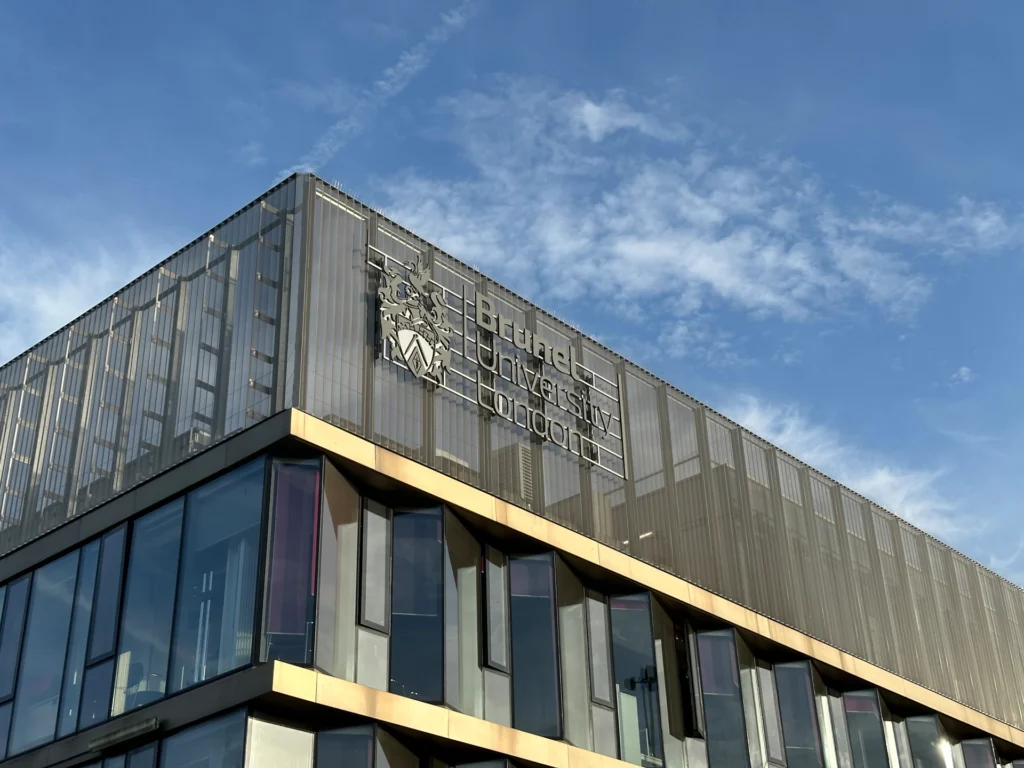
The coordinator of the Jean Monnet Module WHALE, Prof. Sara De Vido, was a guest on 6 May 2026 at Brunel University London, as part of the Research Seminar “International law, environment and sustainability”. Sara De Vido had the opportunity to present the findings of the PRIN 2022 project Gendering international legal responses to environmental chronic emergencies and to speak about the Jean Monnet Module WHALE, sharing important research perspectives.
Beyond the crisis: ecofeminism, “slow violence” and the protection of non-human animals
When we think of environmental emergencies or legal protections, our attention tends to focus on major, sudden and spectacular crises. However, there is a more insidious form of harm, one that is constant and widespread across time and space: the so-called “slow violence”, which shapes what are known as Chronic Environmental Emergencies (CEEs). Phenomena such as biodiversity loss, ocean acidification or the gradual accumulation of toxic substances in soil and water do not make headlines overnight, but silently corrode the life of the planet.
As emerges from the research of Prof. Sara De Vido and from the theoretical framework of the Jean Monnet Module WHALE, international law has always suffered from an androcentric and anthropocentric approach. It treats emergencies as passing exceptions, relying on technocratic and security-based approaches, while ignoring structural inequalities and the deep interconnection between ecosystems and those who inhabit them.
Adopting an ecofeminist and intersectional legal method means opening our eyes to this reality. It means understanding that the poisoning of land, the destruction of habitats and the contamination of the seas do not only affect the most vulnerable human communities, but leave their mark directly on the bodies of non-human animals. The transgenerational accumulation of toxins in whales and marine wildlife is the exact mirror of the wound we are inflicting on the environment. Humans and non-humans share the same vulnerability, which is not intrinsic but social and situational, in the face of exploitation and contamination.
It is time to transform the law: from a mere reactive tool for crisis management into an architecture of care, prevention and multispecies justice, capable of recognising that the health of the Earth and the dignity of all living beings are inextricably and indissolubly linked.