Over the last ten years, the field of animal cognition and behaviour has experienced an era of extraordinary advances. Surprising discoveries have revealed an unexpectedly rich inner life in a wide range of animals, including many invertebrates, sparking a renewed debate on animal consciousness. Recent studies have brought to light complex behaviours in crustaceans and insects, suggesting that these creatures may have subjective experiences. Here is an in-depth look at some of the most significant findings.
Crustaceans: anxiety and complex decisions
An emblematic example of this new paradigm concerns crayfish and crabs. Between 2014 and 2017, a series of studies investigated how crayfish respond to stress, suggesting they could constitute a useful model for studying anxiety. Researchers placed the crayfish in a maze with light and dark pathways. Naturally exploratory, crayfish prefer dark pathways. However, when subjected to stress through electric shocks, they become significantly more averse to illuminated areas. The introduction of benzodiazepines — anti-anxiety drugs also used in humans — reduced this aversion, indicating that crayfish may experience states similar to human anxiety.
Another study from 2024 examined shore crabs, revealing their ability to balance competing motivations in order to make flexible decisions. Crabs, normally averse to bright light, may choose to remain in an illuminated area if they have previously received an electric shock in a dark shelter. This decision depends on the intensity of the shock and the brightness of the light, suggesting that crabs use a kind of “common currency” to weigh different needs — a mechanism analogous to the role that pleasure and pain play in human beings.
Insects: play and curiosity
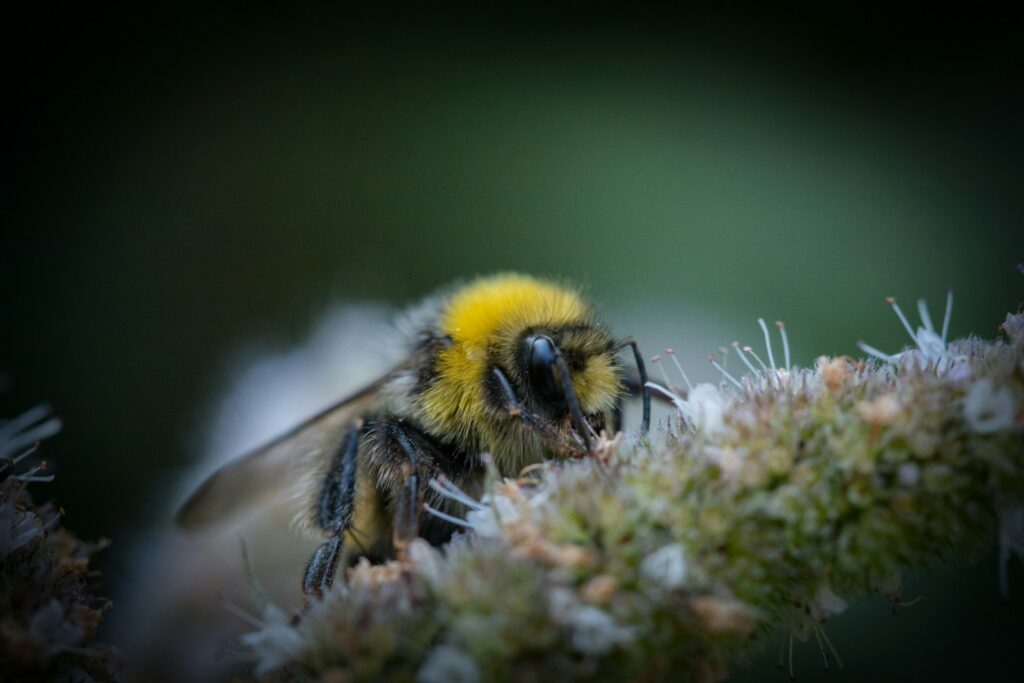
In the world of insects, the discoveries are equally fascinating. In 2022, researchers at the Bee Sensory and Behavioural Ecology Lab at Queen Mary University of London observed bumblebees engaging in activities that can only be described as play. Given wooden balls, the bumblebees rolled and spun them with no apparent connection to mating or survival, nor did they receive any reward from the scientists. This behaviour — lacking an apparent function and carried out in a repetitive yet varied manner — suggests that bumblebees find play intrinsically rewarding, an indication of positive experiences.
Another study from 2023 explored signals of curiosity in zebrafish, demonstrating that these fish show sustained interest in novel objects. This interest, which diminishes as the number of new objects observed increases, suggests that zebrafish find learning new information rewarding, indicating a form of intrinsic curiosity.
The significance of these discoveries
These discoveries represent only a part of the growing body of research that is expanding our concept of animal consciousness. The New York Declaration on Animal Consciousness, signed by experts from around the world, formalises the view that many vertebrates and invertebrates may have conscious experiences. This document underlines that if there is a realistic possibility of consciousness in these animals, their protection deserves serious consideration in animal welfare policies.
Implications for the future
This research opens up new perspectives not only for science, but also for the philosophy and politics of animal welfare. Acknowledging the possibility of subjective experiences in animals such as crustaceans and insects requires a rethinking of current practices, from scientific research methods to animal protection regulations. It also stimulates broader reflection on our interactions with the natural world and on the ethics of animal treatment.
The future of the science of animal consciousness promises further discoveries and, it is to be hoped, a greater awareness of and respect for the complex and often mysterious lives of the living beings with whom we share the planet.