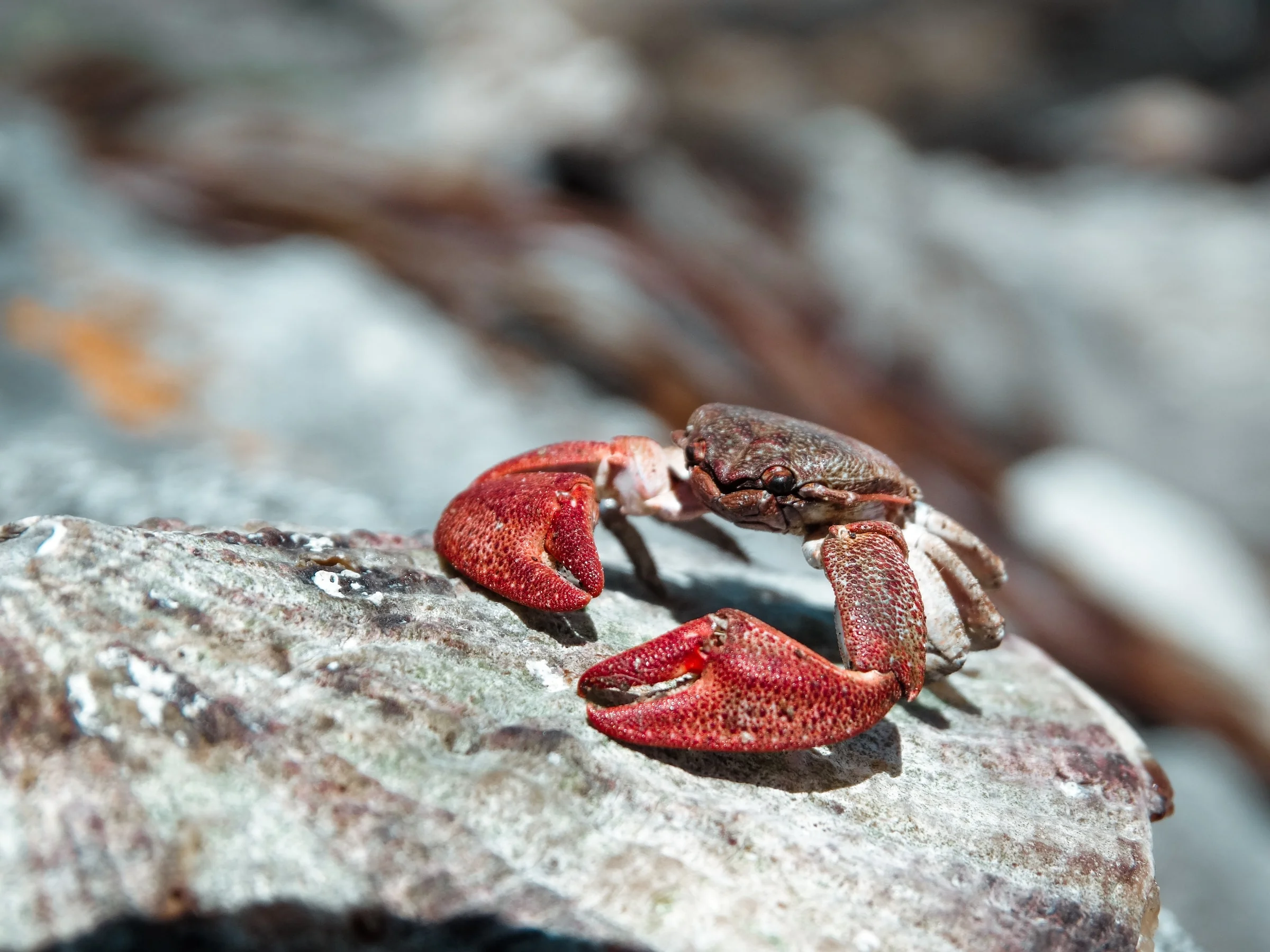
Let's end the suffering of lobsters, crabs and spiny lobsters
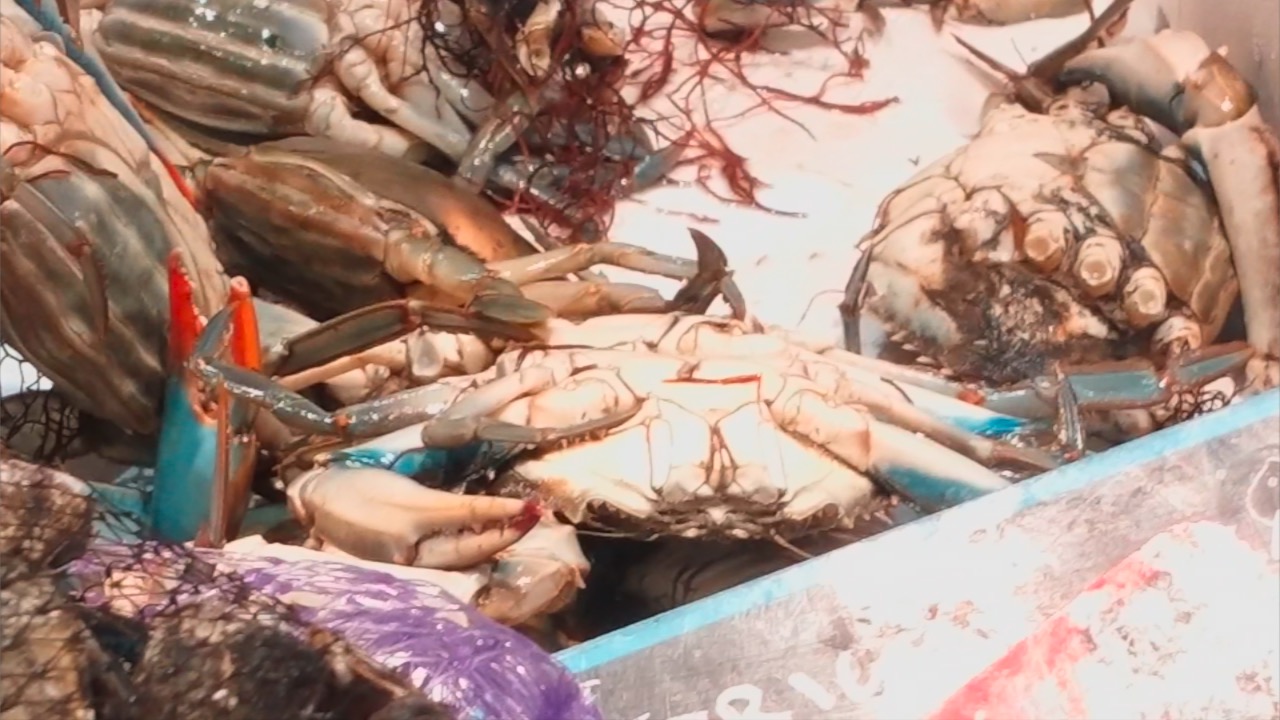
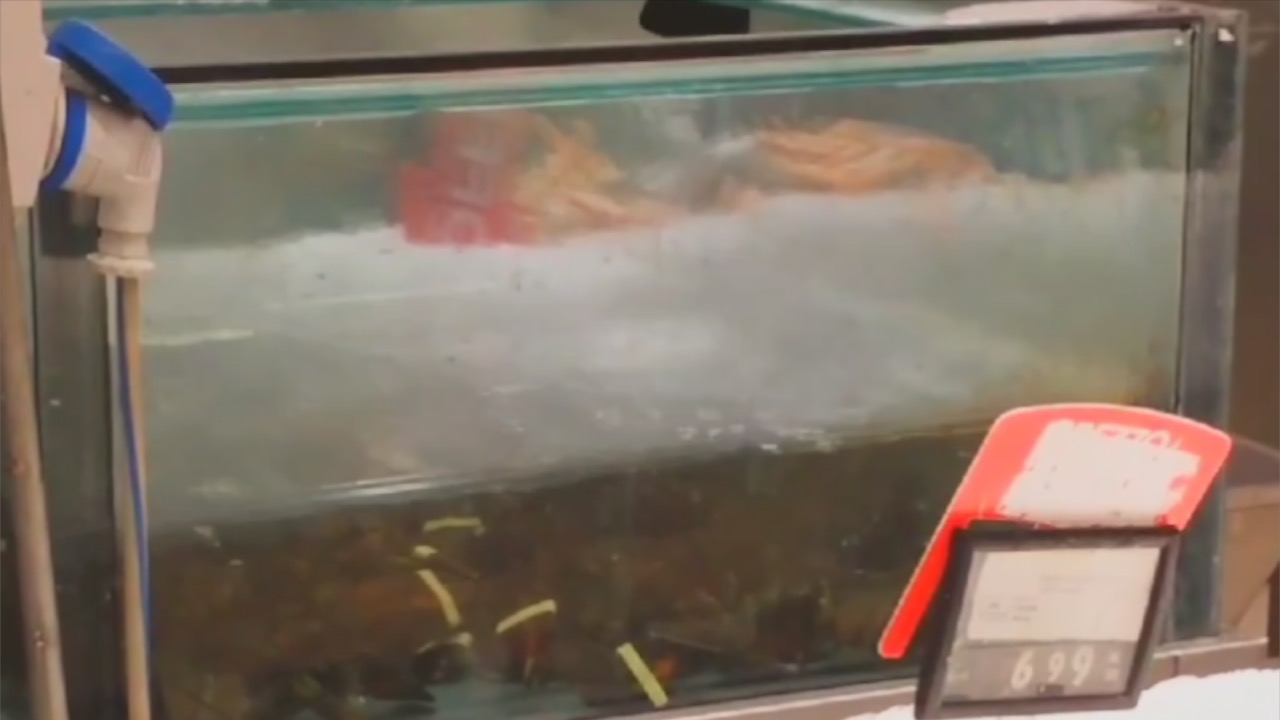
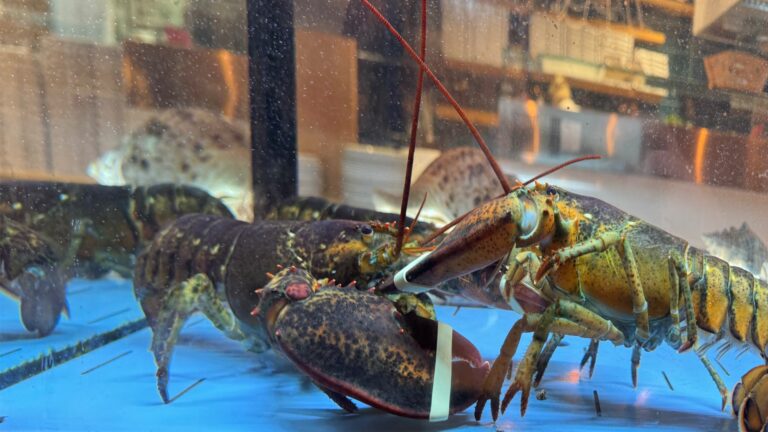
In Italy, decapod crustaceans can arrive alive on market counters, causing them great suffering. It is also legal to cook them alive, without killing or stunning them first.
Sign the petitionOur demands
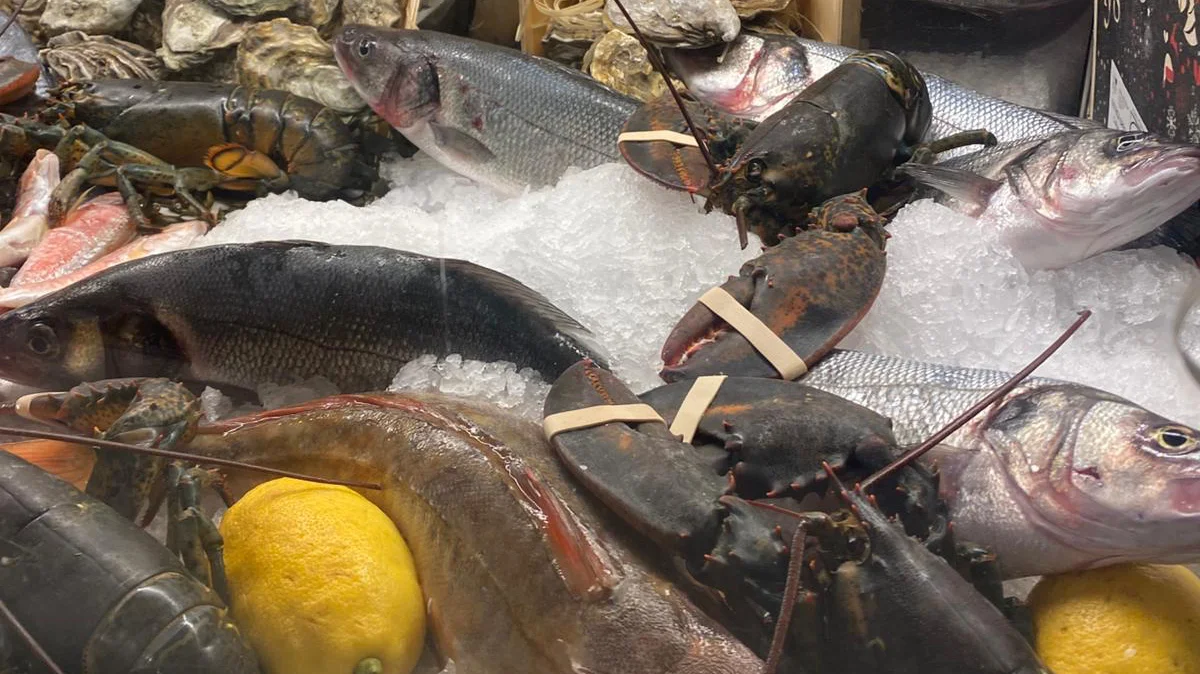
A ban on keeping live decapod crustaceans in direct contact with ice or in ice water, as this practice causes suffering and endangers their health and welfare.
A ban on boiling decapod crustaceans alive (including slowly raising the water temperature), as this causes prolonged suffering.
A ban on the direct sale of live decapod crustaceans to consumers (including online purchases), since in these cases there is no way to verify how the animals are kept, handled and killed, posing a risk to their welfare.
Legal recognition of decapod crustaceans as sentient beings, capable of feeling pain and suffering like other animals already recognised as such — mammals and birds — in light of the extensive scientific evidence supporting this.
What Italians think
The results of the Youtrend survey show growing awareness: 58% of Italians believe that lobsters, crabs and spiny lobsters feel pain and should be protected like the other species used for food.
Source: Youtrend for Animal Law Italia, October 2025
We must act now
Decapod crustaceans are sentient beings
According to a report by the London School of Economics and Political Science, published in November 2021 — which reviewed more than 300 studies on the subject — decapod crustaceans (crustaceans of the order Decapoda, which have ten legs) are sentient beings, capable of experiencing feelings including pain and suffering. On the basis of that scientific evidence, decapod crustaceans were included in the United Kingdom among the animal species recognised as sentient beings by the Animal Welfare (Sentience) Act 2022. The British Veterinary Association also calls for only humane killing methods to be used on these animals. Several countries around the world — including Switzerland, Austria, Norway, New Zealand and some Australian states and territories — have likewise implemented rules to protect these animals.
Decapod crustaceans feel pain
There is now a high degree of consensus in the scientific community on the capacity of decapod crustaceans to feel pain. This is supported by numerous studies on these animals' nervous system, behaviour and stress responses, which satisfy 14 of the 17 pain criteria proposed in the study Defining and assessing animal pain by Sneddon and co-authors. The result is significant, considering that the three unmet criteria have never been tested on decapod crustaceans. It can therefore be assumed that these animals feel pain — calling into question many of the practices they are routinely subjected to.
Italy could lead the rest of Europe
In Europe, only Switzerland, Austria and Norway have specific national rules on the treatment of decapod crustaceans. The adoption of a law setting standards for the proper capture, handling, transport, storage and killing of these animals in Italy could bring about major change in Europe, prompting other nations to introduce adequate rules for their treatment.
Support the changeThe coalition
In July 2025 we launched the first national coalition for the protection of crustaceans, bringing together 9 organisations. It is the first coalition of its kind in Europe.


Unacceptable suffering

At ALI, we believe it is necessary and urgent to ban the practices that cause needless suffering to these animals. That is why we commissioned the scientific report The question of sentience in decapod crustaceans from the University of Messina.
The study, written by Prof. Passantino and colleagues at the Department of Veterinary Medicine and published in May 2024, reviews the most recent scientific evidence available on these animals' capacity for sentience and concludes that decapod crustaceans are sentient beings, capable of feeling pain and suffering and therefore deserving of protection like every other sentient animal used in the food chain.
This study is the first of its kind published in Italy and represents the first public position taken by an Italian university on this subject.
Support the changeThe legal situation

The global picture
The use of decapod crustaceans for human consumption keeps growing, and the fishing of these animals is growing faster globally than that of any other group of animals.
Yet, with the exception of a few countries, decapod crustaceans remain completely neglected in terms of protection throughout the processes that lead to their production, even though science has now demonstrated their sentience — that is, their capacity to experience sensations, including pain and suffering.

European legislation
None of the European regulations and directives protecting animals apply to decapod crustaceans, a group that includes many of the best-known crustaceans used in cooking, such as lobsters, spiny lobsters and most prawns and crabs.
This means that the protections granted to other animals during transport, holding and killing are not guaranteed to decapod crustaceans.

The situation in Italy
Italy not only lacks uniform national legislation: several municipalities have introduced regulations setting protection standards for the sale and/or consumption of these animals in restaurants.
Unfortunately, this is a patchwork of protections, based on differing scientific parameters, which remains inadequate and difficult to enforce.
The main issues
Scientific evidence has demonstrated the capacity of decapod crustaceans to feel pain and to suffer, yet many practices commonly adopted within the food industry are incompatible with respect for these animals' welfare and are painful for them.
Bottom trawling
This fishing method has a high rate of mortality and injury.
Pot and creel fishing
The limbs of decapod crustaceans caught this way can become entangled and detach from the animal's body.
Improper handling
Improper handling of decapod crustaceans by inexperienced or inadequately trained staff can cause considerable damage to these animals' bodies, and in the worst cases death.
Declawing
This procedure involves removing one or both claws before returning the animal to the water, causing pain and compromising its health.
Storage in unsuitable containers
The containers generally used to transport or store decapods may not withstand impacts and pressure, and the animals may be stacked on top of one another at high densities — a practice at odds with their natural need for isolation.
Keeping on ice
In the wild, almost all decapod crustacean species live in waters whose temperature never drops below 2°C. At and below this temperature, almost all decapod crustacean species become immobile.
Keeping in tanks without shelter
In their natural environment, lobsters, spiny lobsters and some crab species spend most of their time in the dark, generally under rocks and sheltered from light. The tanks used to hold these animals in shops and restaurants, however, are generally bare and devoid of shelter, and the animals are exposed to strong lighting.
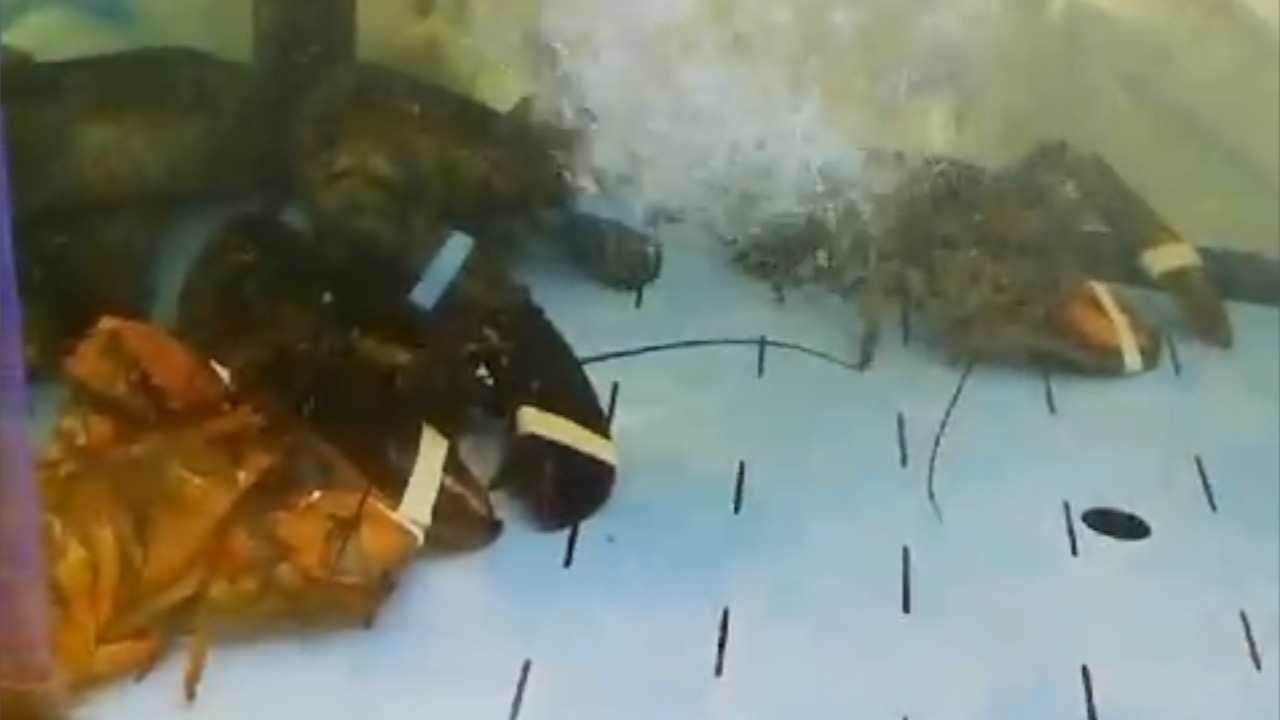
High density
Many commercially important decapod crustacean species, such as spiny lobsters, lobsters and brown crabs, are highly territorial, solitary animals, yet they are often placed with other individuals at high densities.
Nicking
This practice involves cutting the claw tendons to prevent their movement and is widespread in the fishing of the Atlantic brown crab (Cancer pagurus), whose claw morphology does not allow them to be immobilised with bands. The practice causes the animal pain and irreparably compromises its health.
Home deliveries to consumers
Delivering live decapods to private homes is a practice that cannot guarantee effective protection of the animals' welfare during handling, holding and killing.
Cruel killing methods
Several inappropriate killing practices are commonly used on these animals, such as dismemberment, immersion in boiling water and freezing alive.
Report mistreatment
Have you seen a lobster still alive, lying on ice? A crab out of water, with its claws bound? Prawns, still alive, exposed to bright light with no shelter?
File a reportOur reports

(IT) The treatment of decapod crustaceans by importers and distributors in Italy
July 2024 Read the report →
(IT) If only they had a voice: the suffering of lobsters, spiny lobsters and crabs in Italian supermarkets.
June 2024 Read the report →
(IT) Fruscella L., Rules for keeping spiny lobsters and lobsters in aquariums, with specifications on stocking density, shelter, light and claw binding.
June 2024 Read the report →

(IT) Fruscella L., Passantino A., Keeping decapod crustaceans on ice and its effects.
December 2023 Read the report →


(IT) The trade in decapod crustaceans in the European Union and Italy.
November 2022 Read the report →Updates

Even the Tough Ones Suffer: Lush Sides with Crustaceans
Published on 8 June 2026
Milan hosts the first institutional event dedicated to lobsters, crabs and spiny lobsters
Published on 23 September 2025
Progress in sight for decapod crustaceans
Published on 6 March 2024
The Protection Afforded to Decapod Crustaceans in Italy
Published on 6 November 2023
New report by ALI: innovation and well-being in aquaculture
Published on 3 March 2023Scientific partners


Lend us a claw!
Help us put an end to the mistreatment of lobsters, crabs and spiny lobsters in supermarkets!